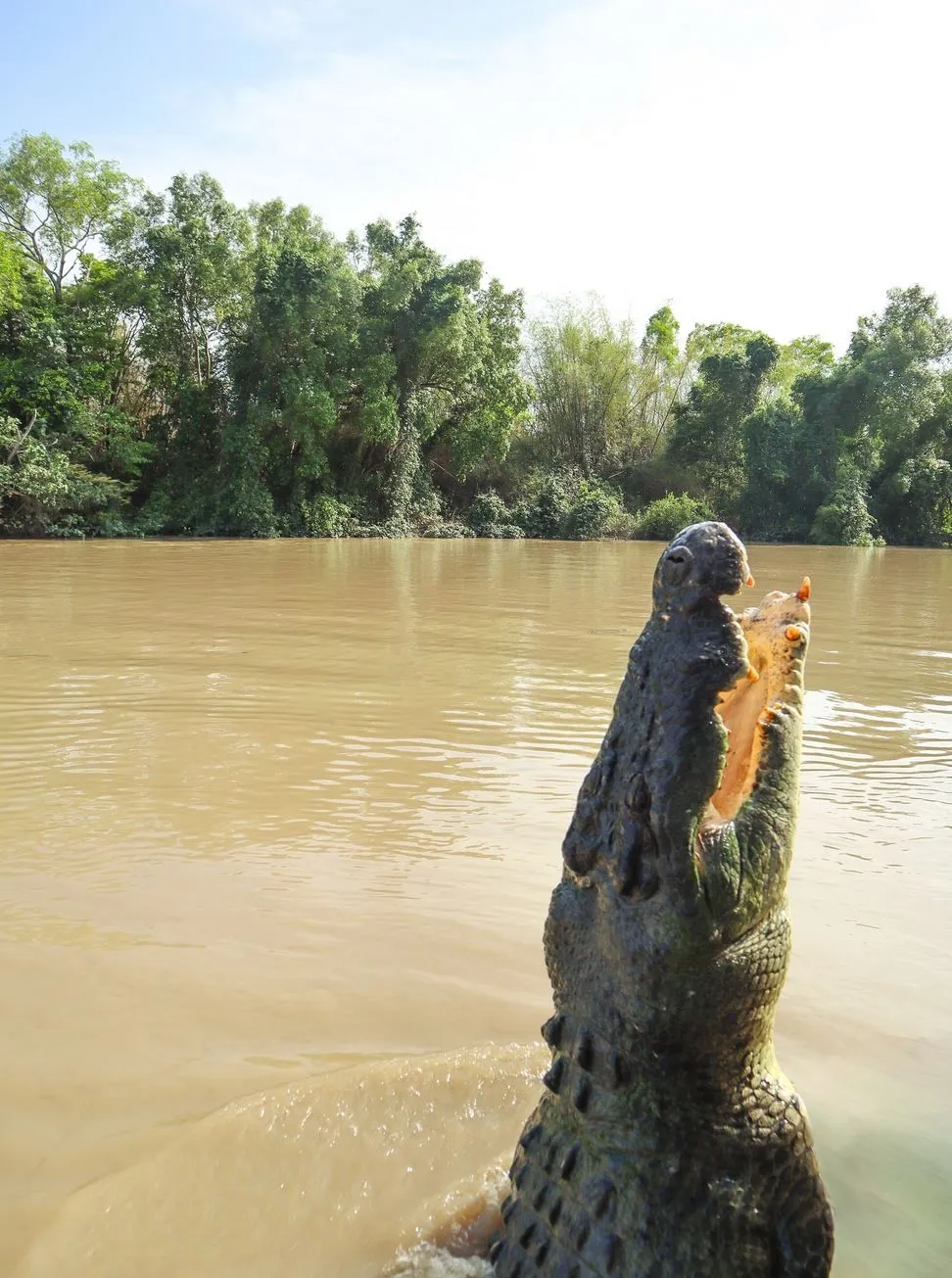
Can I Do the Cruise While Pregnant or With Limited Mobility?
I get asked that question all the time – can I do a cruise while pregnant or with limited mobility? It’s a fair question too: not every boat, dock or operator goes out of their way to make life easy for expecting mums or people with mobility issues. I’m Paul Beames, founder of Get Lost Travel Group, and over the years, I’ve helped heaps of guests enjoy the magic of water travel without any hassle. We’ve sorted out people on the big vessels in Europe to the dusty Top End and everything in between – so whether you’re keen on a Jumping Crocodile Cruise in the NT or a luxury cruise through the Murray, the trick is knowing what to ask, and what to expect.
Now, let’s get into the nitty-gritty – the practical stuff that keeps you safe, comfortable and ready to have a good time on your journey.
Contents
- 1 Working Out if a Ship is Accessible Before You Book
- 2 Pregnancy and Cruising: What to Know Before You Go
- 3 Managing Mobility and Assistive Devices
- 4 Medical on Board
- 5 Dietary and Health Considerations
- 6 Understanding Tender Services and Transfers
- 7 Communicating Your Needs Early
- 8 Regional and Seasonal Considerations
- 9 A Real-World Perspective From the Deck
- 10 Checklist: What to Do Before You Cast Off
- 11 The Final Word: Don’t Miss Out on the Water
- 12 FAQ
Working Out if a Ship is Accessible Before You Book
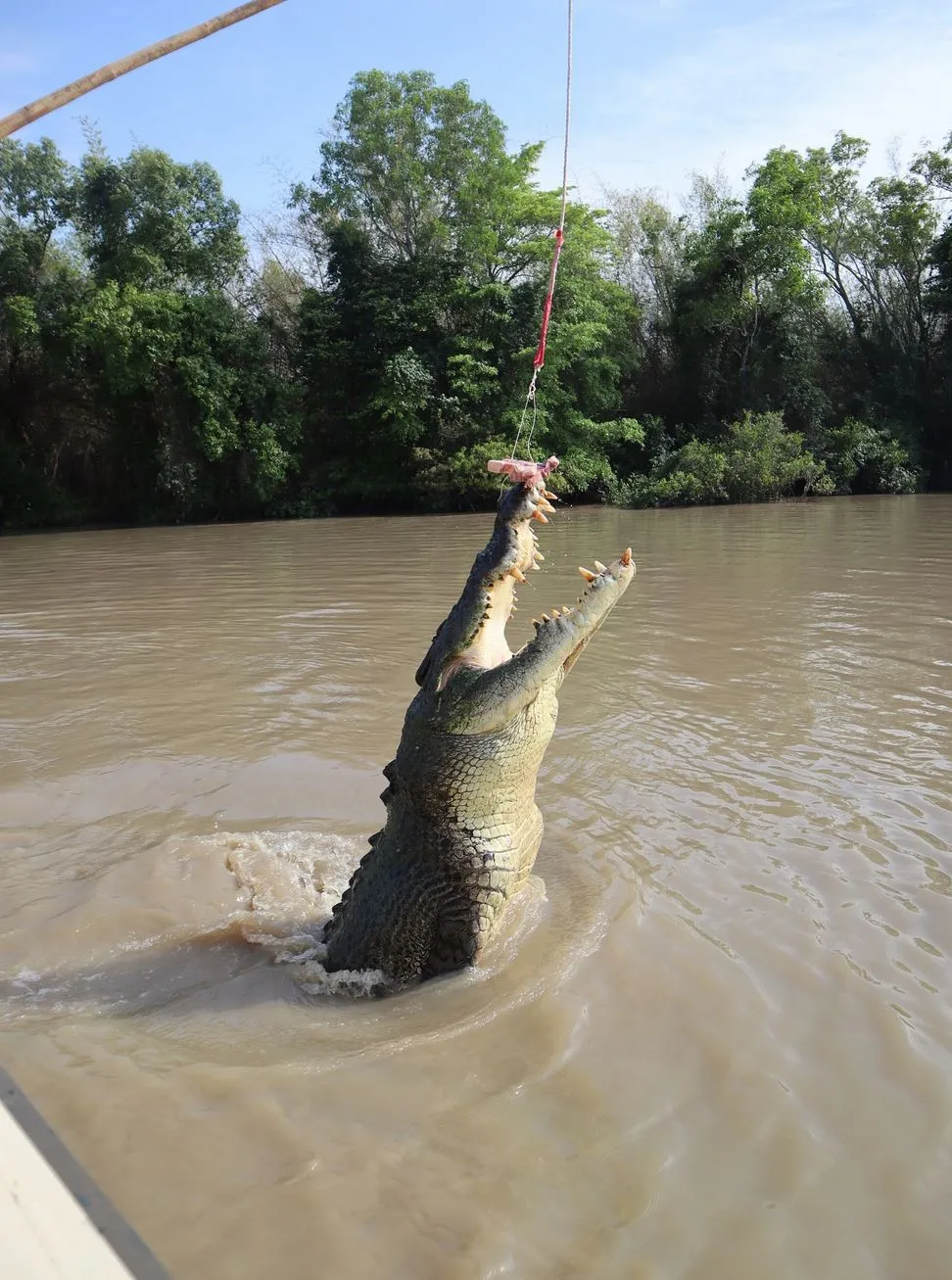
What they mean by ‘accessibility‘ can vary wildly from one cruise line to another, and it’s just not as simple as a ‘wheelchair friendly’ sticker on a website. Some ships have decks, ramps and onboard medical facilities that make life much more straightforward – but others may rely on landing on the beach or using little tenders that just aren’t suitable if you’re wheeling around or walking with a stick.
What Does ‘Accessible’ Really Mean When We’re Talking Sailing
Now, here’s how the different types of cruises line up on accessibility and comfort :
| Cruise Type | Accessibility Level | Notes |
|---|---|---|
| Luxury Cruise (e.g., Coral Expeditions, P&O) | High | Accessible cabins, lifts, and an onboard medical centre |
| Large Catamaran Reef Cruise | High | Ramps, shaded decks, accessible toilets |
| Jumping Crocodile Cruise (NT) | Moderate | Flat deck, supportive crew, but some uneven gangways |
| River Cruise Lines (Murray or European Waters) | Moderate | Narrow corridors, limited mobility device space |
| Small Adventure Boat | Low | Boarding via pontoon or beach; crew assist recommended |
According to Tourism Research Australia, 20% of Australian travellers have accessibility or special needs, but only half of all operators advertise the level of accommodation they can actually provide. Always ask about assistive devices, service dog acceptance and sign language interpreter availability if you need them. Some companies even offer virtual ship tours so you can see access points and deck layouts before you book.
Pregnancy and Cruising: What to Know Before You Go
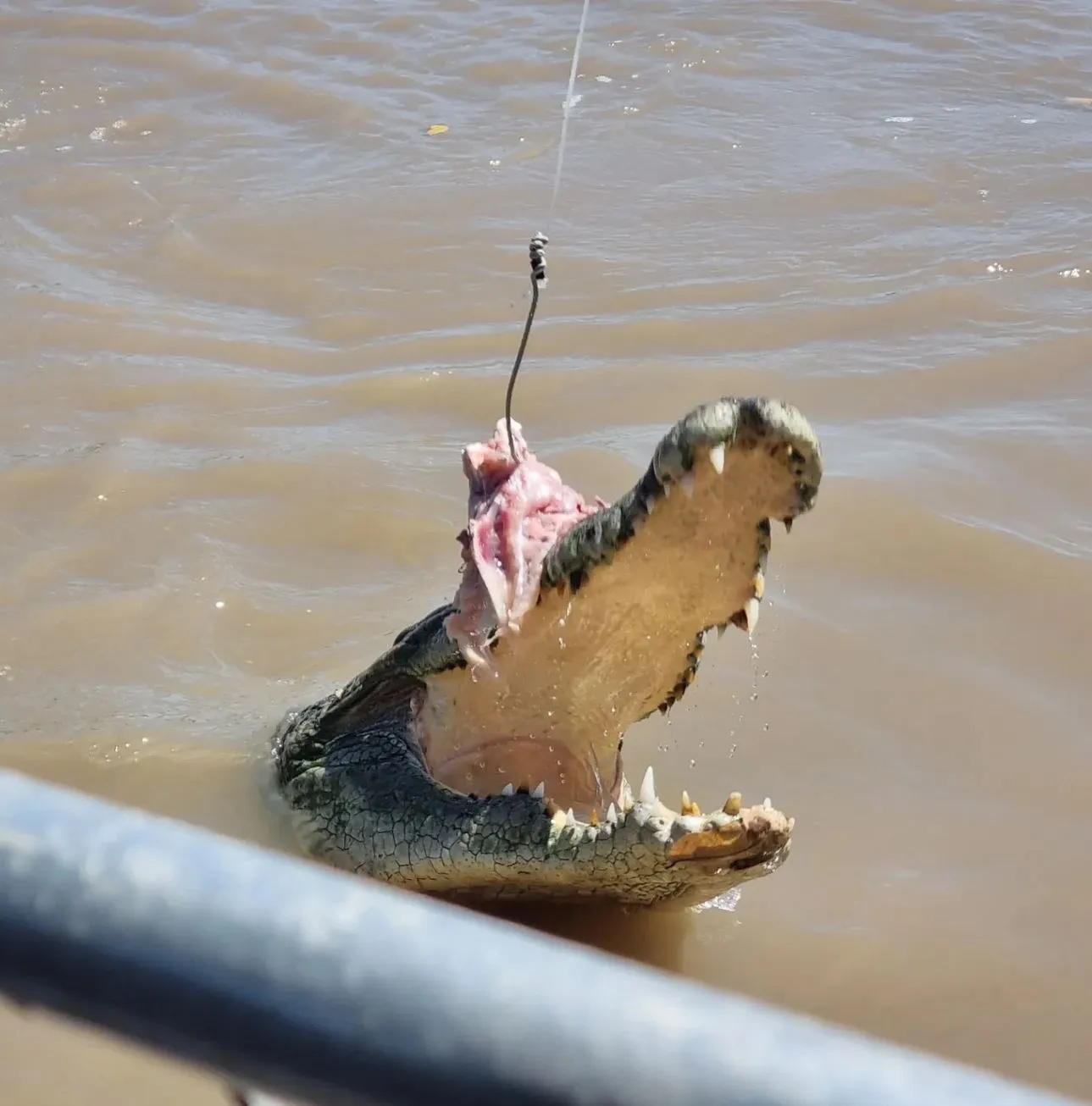
Pregnancy doesn’t mean you can’t cruise — it just means a bit more prep. Most operators welcome guests up to around 24-28 weeks of gestational age if your doctor gives you the all clear.
How to Plan a Safe and Comfortable Cruise
Every pregnancy is different, but a few general tips will make your trip much smoother:
- Book early departures. Morning waters are calmer, especially around Darwin and the Top End.
- Read the fine print. Your cruise ticket contract may have gestational age limits or require medical records from your GP.
- Pack smart. Bring hydration salts, foods to avoid lists and snacks that settle nausea.
- Choose stability. Sit near the middle of the vessel for smoother motion.
- Ask for shade and airflow. Many modern boats — including Jumping Crocodile Cruise vessels — have shaded decks and misting fans for tropical heat.
- If you have gestational diabetes, tell the catering team. Most operators now handle special diet requests — from gluten-free ingredients to sponge cakes made without wheat — if they know in advance.
Managing Mobility and Assistive Devices
Mobility restrictions can make boarding tricky, but the right preparation goes a long way. From wheelchairs to mobility scooters and walking aids, accessibility is improving across the board.
Getting On Board Smoothly
Some ports — especially in larger cities — have roll-on gangways, but regional tours like the Jumping Crocodile Cruise may board directly from a jetty. Crew are usually happy to assist, but flag your needs during booking. If you use a mobility device or walking aid, make sure it can handle a slight incline and marine-grade non-slip surfaces.
On Board
Once on board, comfort is key. Look for:
- Stable seating near the centre of the deck
- Accessible toilets or a medical centre if it’s a longer cruise
- Handrails near steps or entry points
- Shade and air circulation (especially during hurricane season up north)
If you need assistive devices or have visual impairments, ask if the crew can provide sign language interpreting or verbal commentary. Some operators now train staff in sign language and offer audio guides so everyone can enjoy the trip.
Medical on Board
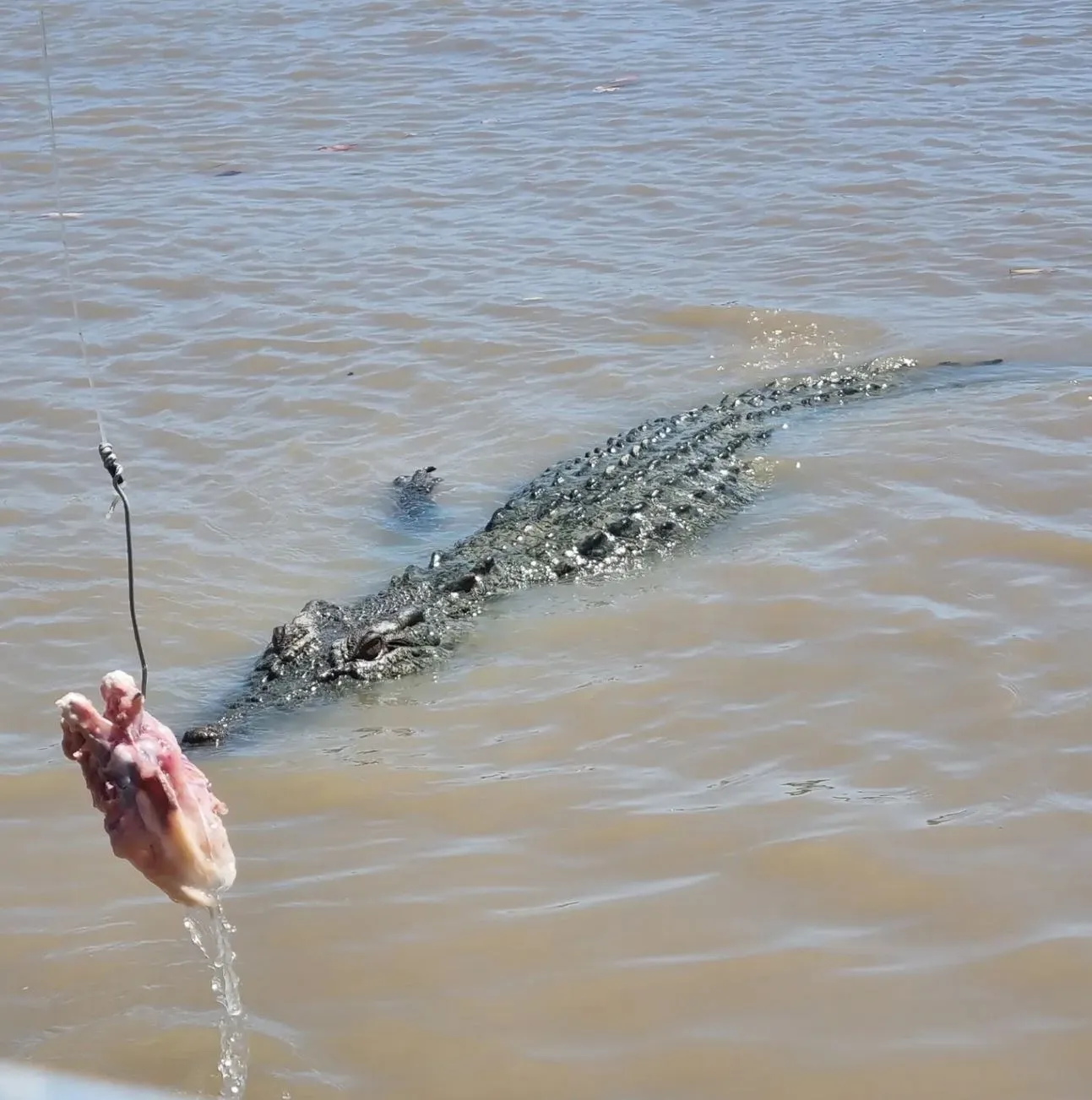
Australian cruise lines operate under strict maritime safety and health regulations. Most larger ships have medical facilities on board with diagnostic equipment, refrigeration for special needs equipment and staff trained in first aid and emergency evacuation.
What to Expect on Different Cruise Types
| Cruise Type | Medical Facilities | Example |
|---|---|---|
| Luxury Cruise or Expedition | Full medical centre with a doctor and a nurse | Coral Expeditions, Silversea |
| Reef or Island Day Cruise | First aid station, seasickness meds, radio link to shore | Great Adventures, Big Cat |
| Jumping Crocodile Cruise | Basic first aid, rapid access to Darwin emergency services | Adelaide River Cruises |
| River Cruise Lines | Limited care, shore-based hospital access | Murray Princess, Avalon Europe |
If you’re on peritoneal dialysis, it’s wise to stick to cruises that have a proper medical centre and power access for your machine. Luxury cruise operators – particularly in European waters – may actually allow medically certified equipment on board, but only if you give them a heads up in advance.
Always carry your medical records around, including a current medication list and doctor’s note. Ship crews are well-trained in emergencies, but they aren’t hospitals. In remote areas like the NT, evacuation can take hours, so it’s a must that you get travel insurance that covers medical evacuation.
Dietary and Health Considerations
Food plays an enormous role in travel comfort, especially for pregnant guests or those with special diets. Most Aussie operators, including Jumping Crocodile Cruise, will be more than happy to accommodate special diet needs if you let them know well ahead of time.
Managing Meals and Food Safety
Here are some practical notes for anyone with dietary or pregnancy-related restrictions :
- Avoid foods that can be a bit dodgy, like raw seafood or soft cheeses (Listeria risk) – you know, the ones that might give you a stomach upset.
- If you need to stick to a gluten-free diet or go vegan, ask your operator to let you know what options are available.
- Ask about the surfaces the food is prepared on to make sure you don’t get some unexpected contamination.
- Bring your own snacks if you’re unsure – some dried fruit, nuts or safe biscuits will always come in handy.
A lot of river cruise lines and luxury cruises offer multiple dining options and onboard venues, some of which have dedicated allergen-free kitchens. On smaller day cruises, catering may be limited, but you can often bring your own packed lunch.
Understanding Tender Services and Transfers
One thing that often gets overlooked is the tender service – the small boat that takes you between the ship and the shore. These tenders can be pretty narrow, and boarding requires a bit of balance. If you’re pregnant, use a mobility device or have special needs equipment, you’ll probably want to request some assistance.
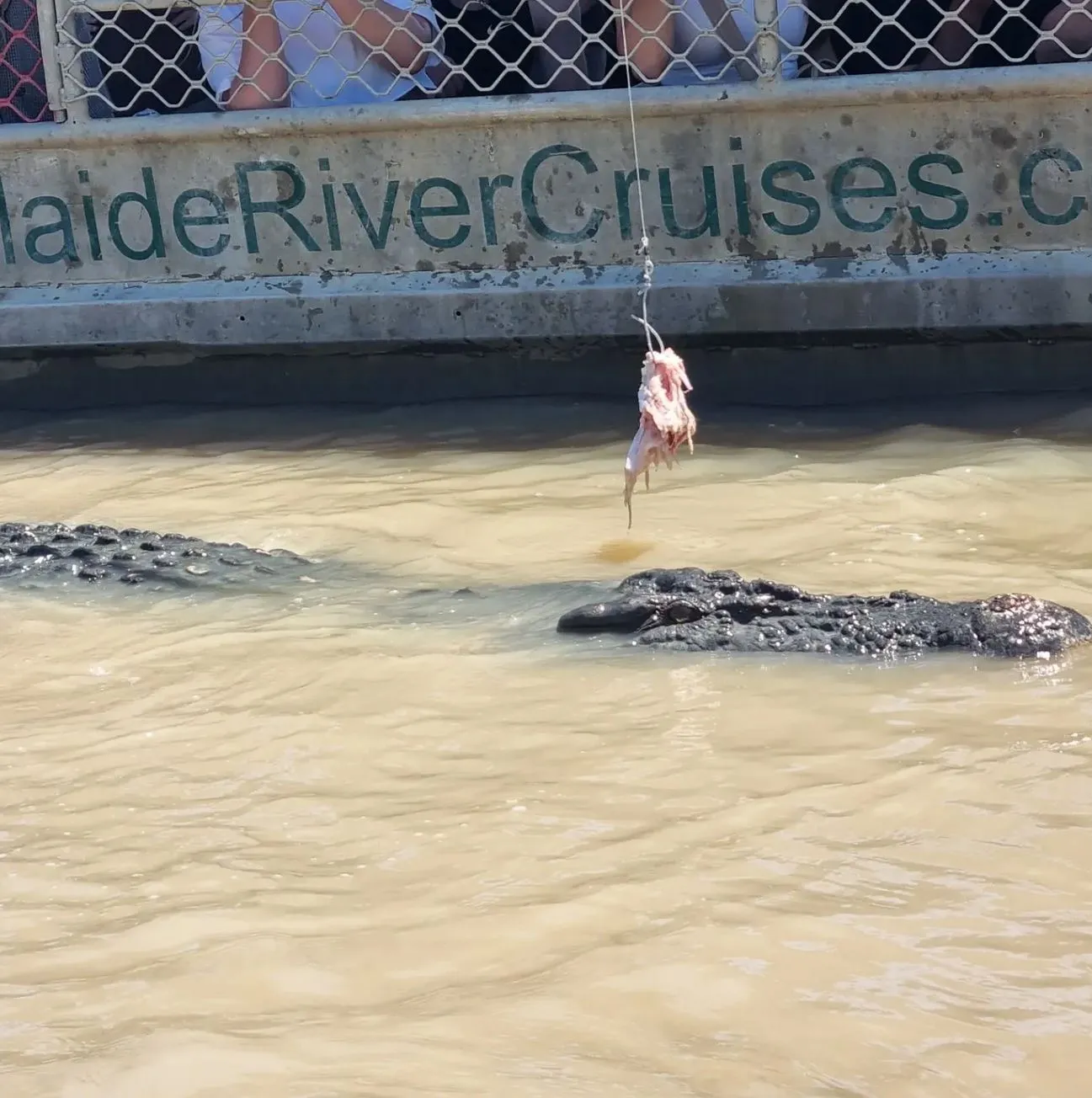
The Jumping Crocodile Cruise doesn’t use tenders – guests board directly from the riverbank – but you’ll still want sturdy footwear for uneven ground. On river cruise lines in Europe, tender services are usually ramped or lift-assisted, but this can vary between ports.
Communicating Your Needs Early
Good operators will really appreciate it if you let them know about any medical or mobility issues early on. This helps them plan assistance, prepare any assistive devices and ensure a safe, enjoyable experience for everyone on board. I’ve had guests with visual impairments, hearing aids, and service dogs travel comfortably just because they spoke up ahead of time.
A few questions worth asking before you book:
- Can my mobility scooter or wheelchair be stored on the boat?
- Are assistive mobility devices allowed on deck?
- Does the crew have access to sign language interpreters or assistive tech?
- Are onboard medical facilities staffed during all sailings?
- Can I have a look at virtual ship tours before I confirm my ticket?
You’ll find that most teams – especially at places like Jumping Crocodile Cruise – are genuinely keen to help. They really want you to feel safe and welcome.
Regional and Seasonal Considerations
The Australian climate is a real wild card – either a great mate or your arch-nemesis. In the Top End, the dry season (May to Oct) brings crystal clear waters & easy boarding, but let’s face it, the wet season (Nov to April) is a no-go for those with balance issues or heat intolerance – high humidity & storms aren’t exactly ideal conditions.
Down in the southern regions, river cruise lines on the Murray or Derwent tend to run all year round, but in European waters, things can get a bit hairy in spring – the river conditions get all over the shop during the floods which can mean access ramps & boarding heights are a total no-go, especially if you’ve got a mobility issue to contend with.
A Real-World Perspective From the Deck
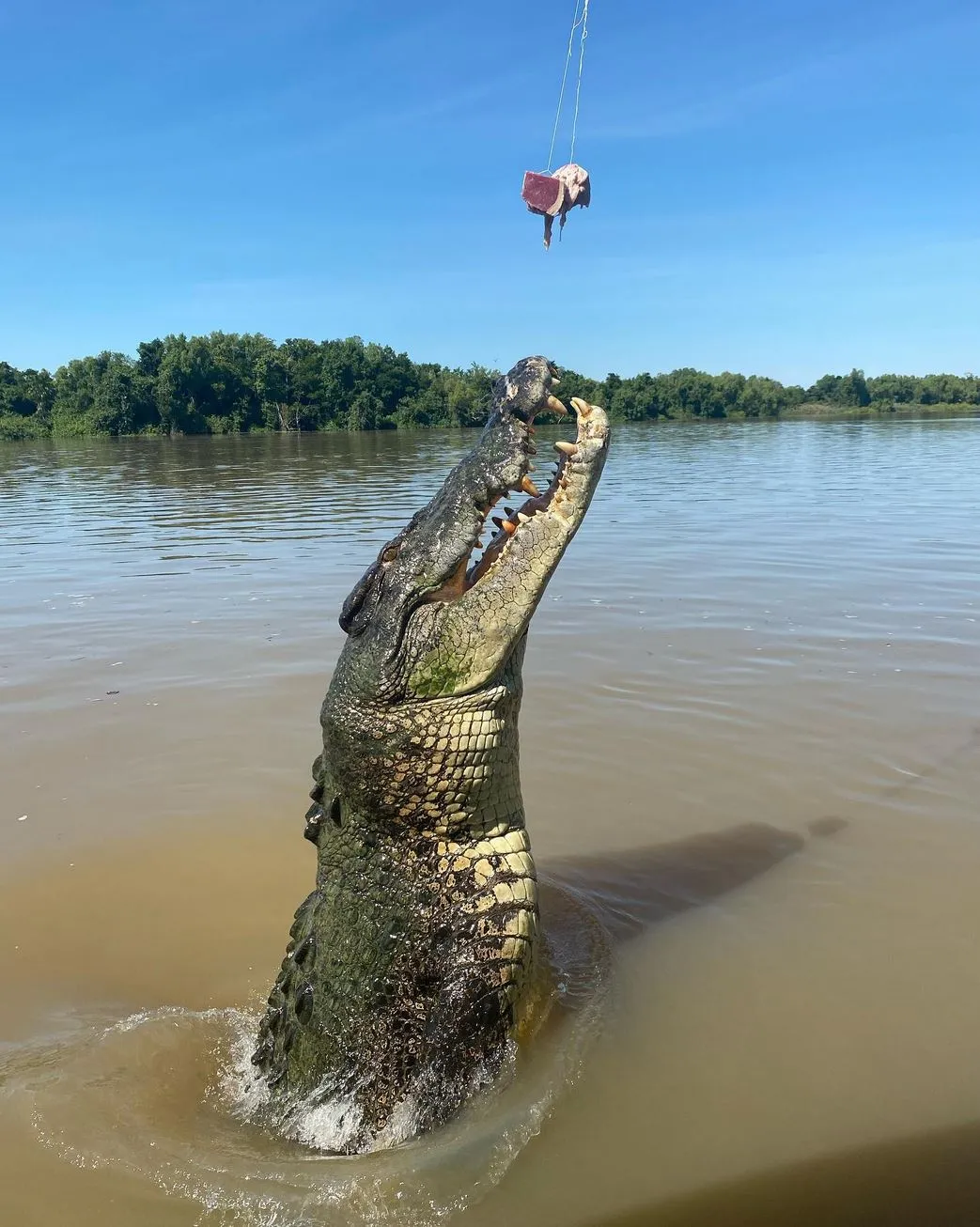
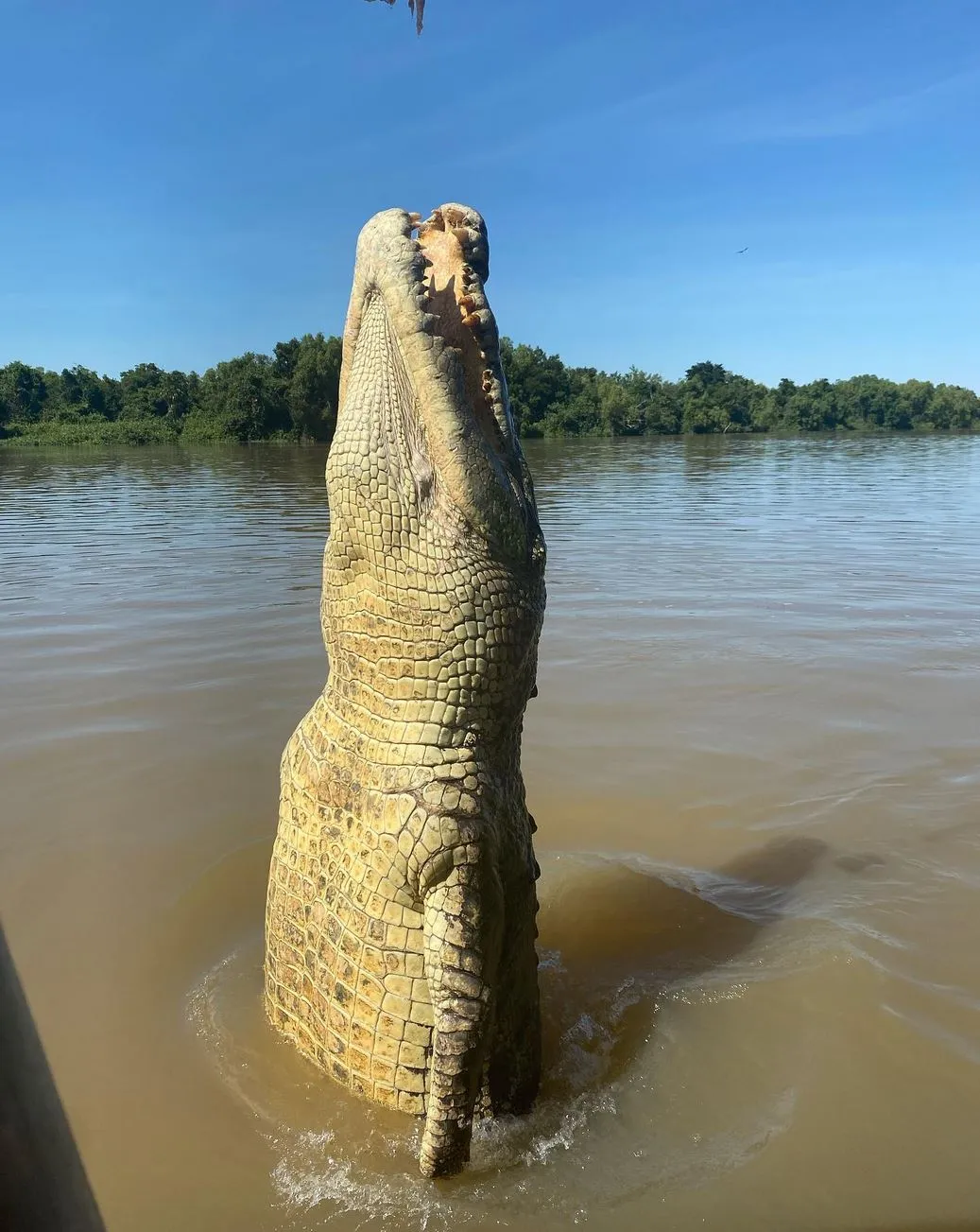
I’ve had the privilege of watching all sorts of travellers – like new parents with tiny tots and retirees with walkers – having a blast on the water. One of my fave memories was on the Jumping Crocodile Cruise, where a guest with a mobility scooter scored the best seat in the house – right up against the rail, where she got a real close-up of a massive saltie launching itself out of the water for its feed. The look on her face was pure joy – and proof that accessibility can be done right.
But the truth is, medical care, comfort & being inclusive aren’t just nice-to-haves anymore, they’re what we expect. Whether you’re on a local cruise or exploring the European waters, the best operators get it – that everyone deserves a fair go to see the crocs jump or the sunset over the reef.
Checklist: What to Do Before You Cast Off
Got all your ducks in a row? Use this quick checklist to make sure you’re good to go:
- Let the cruise operator know about your pregnancy & any medical conditions you might have
- Give them a copy of your medical records & any special diet information
- Confirm whether they’ve got medical facilities on board or nearby
- Check if they’ve got accessibility sorted for your assistive device or service dog
- Review the ship’s layout on their website so you know where all the access points are
- Don’t forget to pack your special gear (chargers & whatnot) & any medications you might need
- Double-check the small print in your ticket contract about cancellation policies
- If you’re on a tender service, check how it works out
- And pack that sunscreen, insect repellent & all the meds you’ll need
The Final Word: Don’t Miss Out on the Water
Whether it’s the thrill of watching crocs leap on a Jumping Crocodile Cruise, drifting along a river cruise line or joining a luxury cruise off Queensland, travel should be about inclusion — not limitation.
With a little planning, honesty and the right support, pregnancy or mobility challenges don’t have to hold you back. From medical facilities to special needs equipment, Australia’s tourism industry is catching up fast. So, boil the billy, pack your hat and get ready for a day on the water — your seat’s waiting.
FAQ
Can I be denied boarding if I’m pregnant?
Yes, some cruise lines don’t allow passengers over 28 weeks for safety reasons. Always check your cruise ticket contract for gestational age limits.
Do Australian cruises have onboard medical care?
Larger boats have a medical centre and staff trained in first aid. Smaller boats like the Jumping Crocodile Cruise have first aid and shore-to-ship radio contact.
Are special diets like gluten-free or vegan catered for?
Yes — just let us know. Many operators stock gluten-free ingredients and allergen-safe sponge cakes or snacks.
Can I bring my service dog or assistive mobility devices?
Usually, yes, if you notify us beforehand and the animal meets Australian biosecurity rules.
What if I need a sign language interpreter or visual assistance?
Some larger or luxury cruise operators offer sign-language interpreting or assistive tech. Smaller tours can often be accommodated if we know in advance.

Related Posts
Which Great Barrier Reef Island Should You Visit First?

Is Alice Springs Safe at Night?