Cold Sores After Lip Blush? Explained
Lip blush tattoos in Brisbane have become super popular among clients looking for a low-maintenance way to boost their natural lip colour. Whether you’re new to cosmetic procedures or already love the convenience of permanent makeup, a lip blush tattoo in Brisbane can give you a stunning long-lasting result tailored to your features.
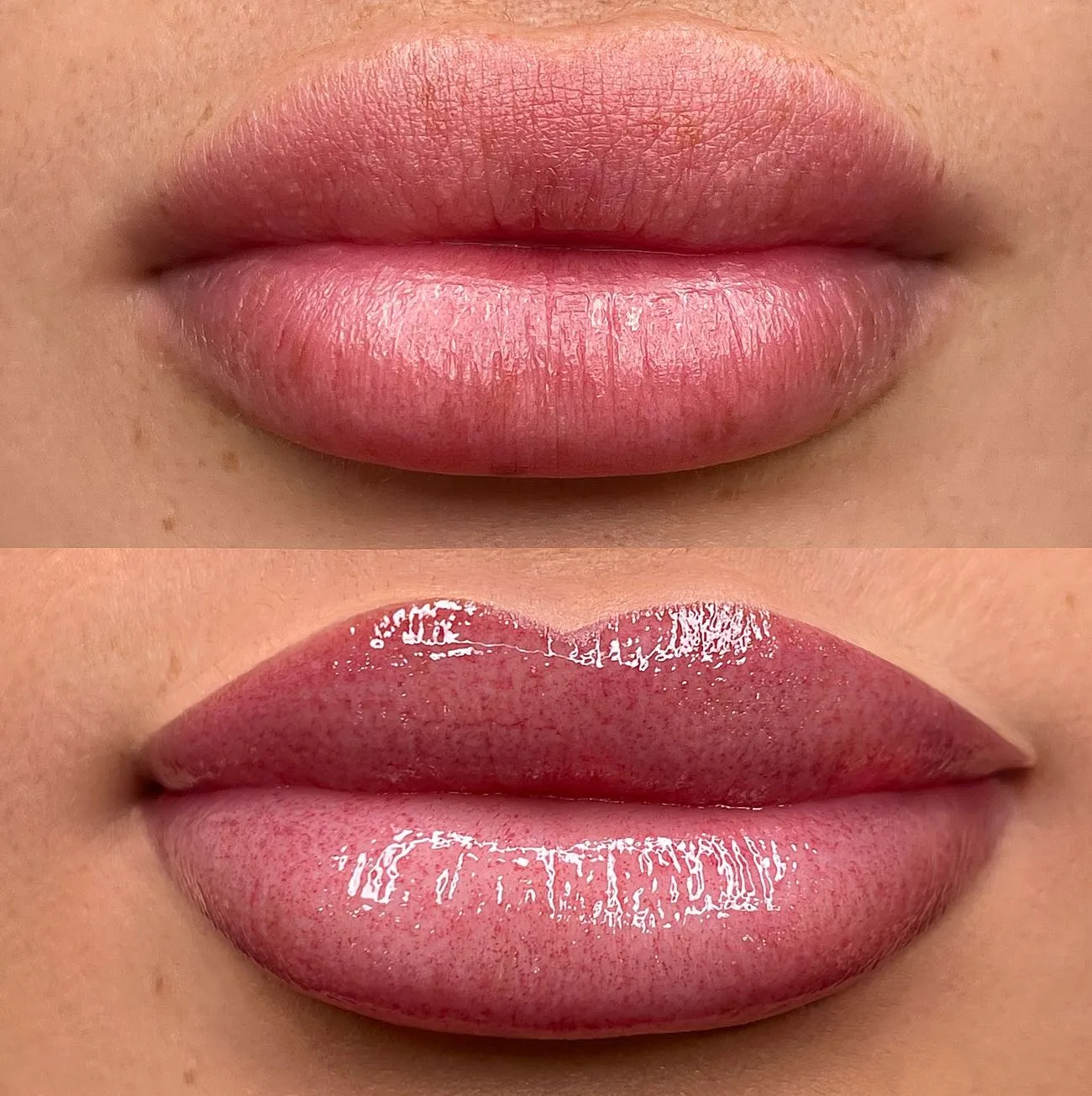
Lip blush is a semi-permanent cosmetic tattooing procedure that enhances the natural colour and shape of the lips. It’s part of the broader category of cosmetic procedures and permanent makeup, using cosmetic tattoo pigment to create a long-lasting lip colour. While it’s generally safe and gives beautiful colour results, clients with cold sores (herpes simplex virus) should be aware of the possible implications. If you get a cold sore after your lip blush procedure, it’s important to know what’s happening and how to manage it with proper care.
Contents
- 1 Causes & Prevention
- 2 Cold Sores After Blush: Is It Normal?
- 3 Healing Process
- 4 Quick Guide
- 5 How to Prevent Cold Sores
- 6 What to Expect
- 7 Will It Work?
- 8 Long Term Care
- 9 In Summary
- 10 FAQ
- 10.1 Can I get lip blush if I’ve had cold sores in the past?
- 10.2 What if a cold sore develops after my lip blush appointment?
- 10.3 How long should I wait to get a touch-up after a cold-sore outbreak?
- 10.4 Can lip blush trigger cold sores even if I’ve never had one before?
- 10.5 Will cold sores affect how long the lip blush lasts?
Causes & Prevention
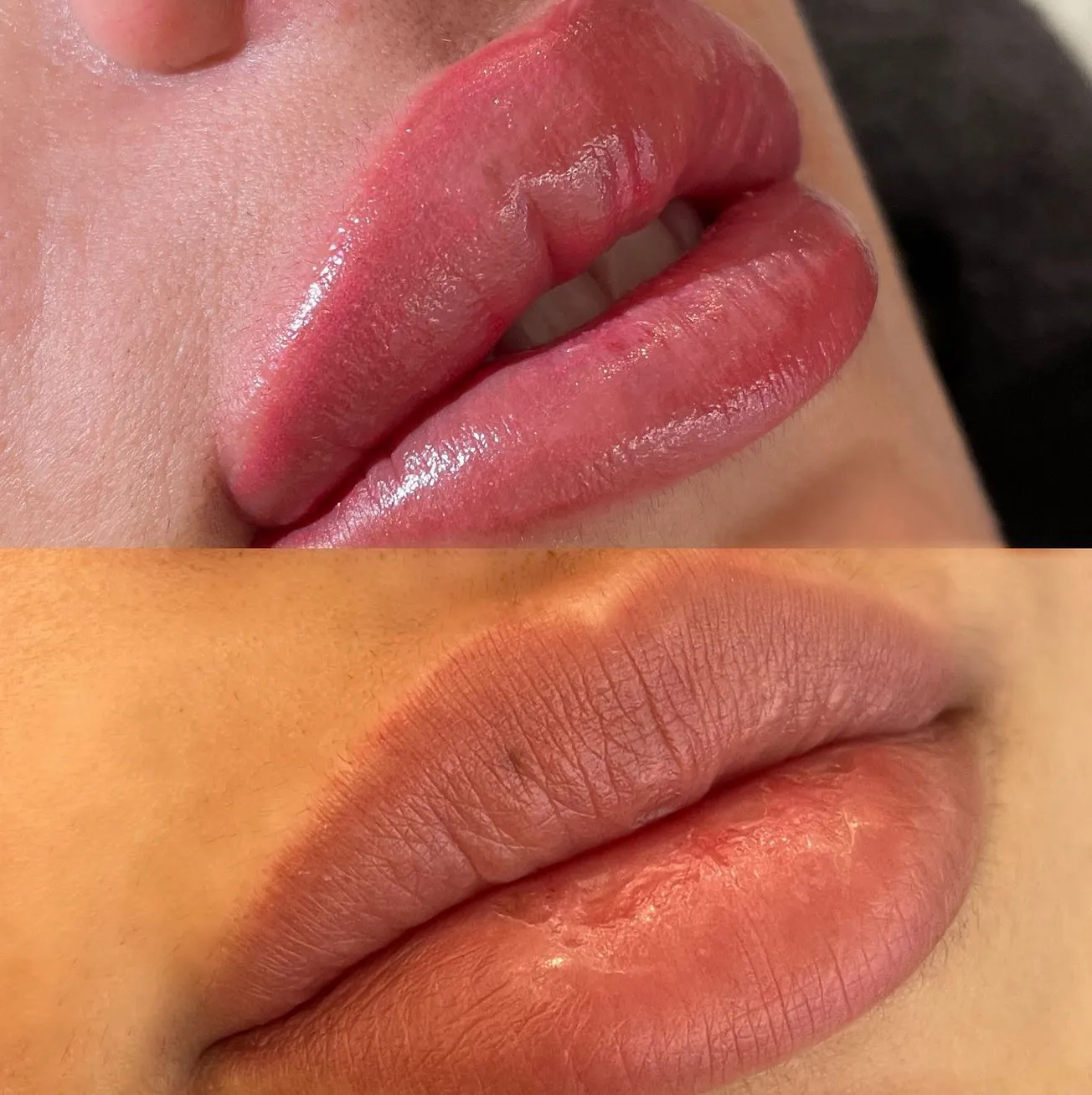
The lip blush procedure involves tiny needles that puncture the lip skin to deposit pigment. This tattooing process can trigger individuals who carry the sore virus, even if they’ve never had a visible outbreak. Factors such as stress, weakened immunity, amounts of caffeine, acidic foods, anxiety medication, and the trauma from the actual tattoo procedure may all contribute to a flare-up.
Cold sores, caused by the herpes simplex virus, are a common virus. When the lips are traumatized the virus may activate and cold sores will appear during the healing process. This is especially relevant during the initial healing period when the skin’s barrier layer is compromised.
Cold Sores After Blush: Is It Normal?
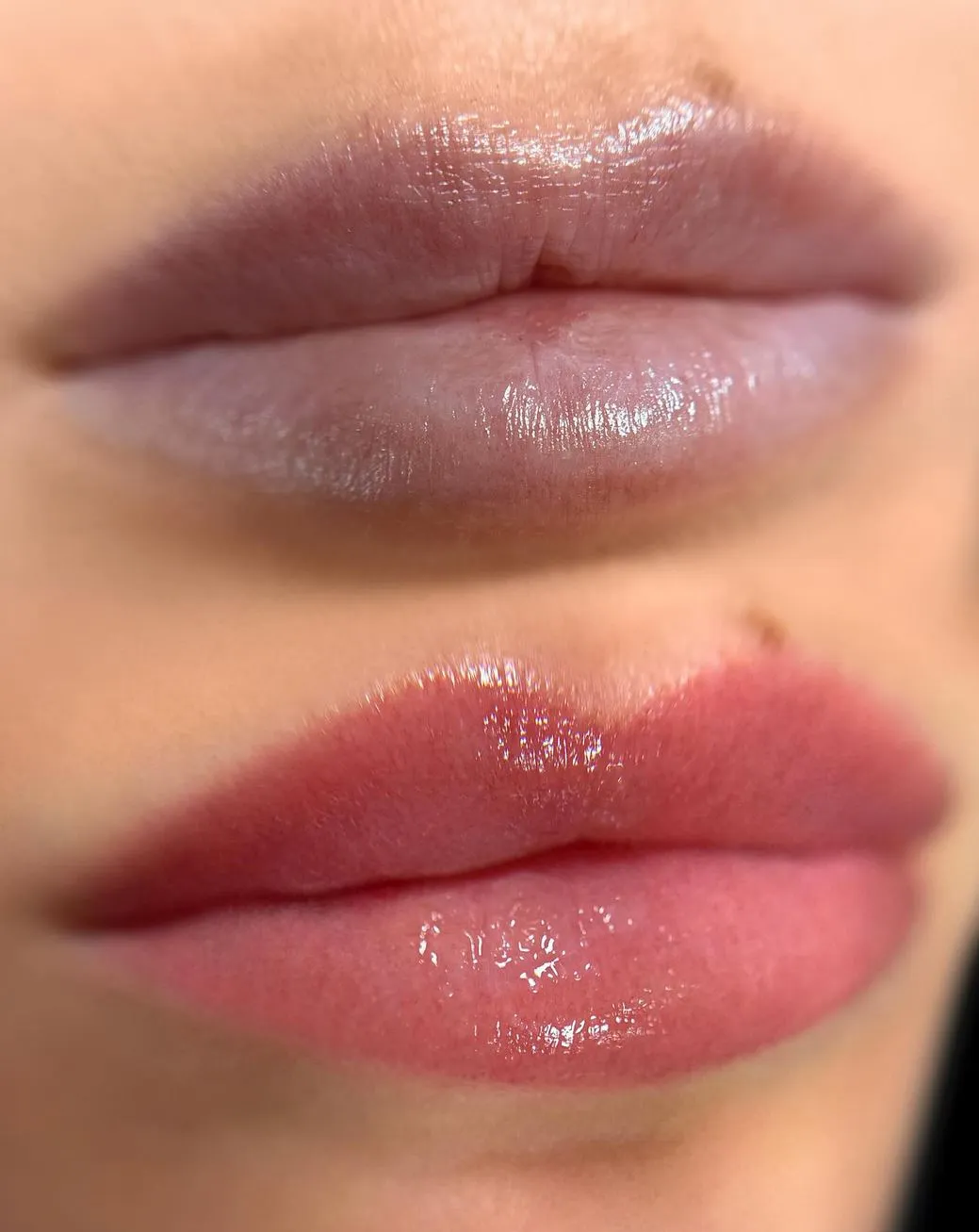
Yes, it’s relatively common for clients with a history of cold sores to get an outbreak after a lip tattoo procedure. This doesn’t mean the cosmetic lip tattoo is a problem – it’s the body’s natural response to the treatment. Even clients with no prior known history of outbreaks can still be carriers of the sore virus and may get their first cold sore after the procedure.
Healing Process
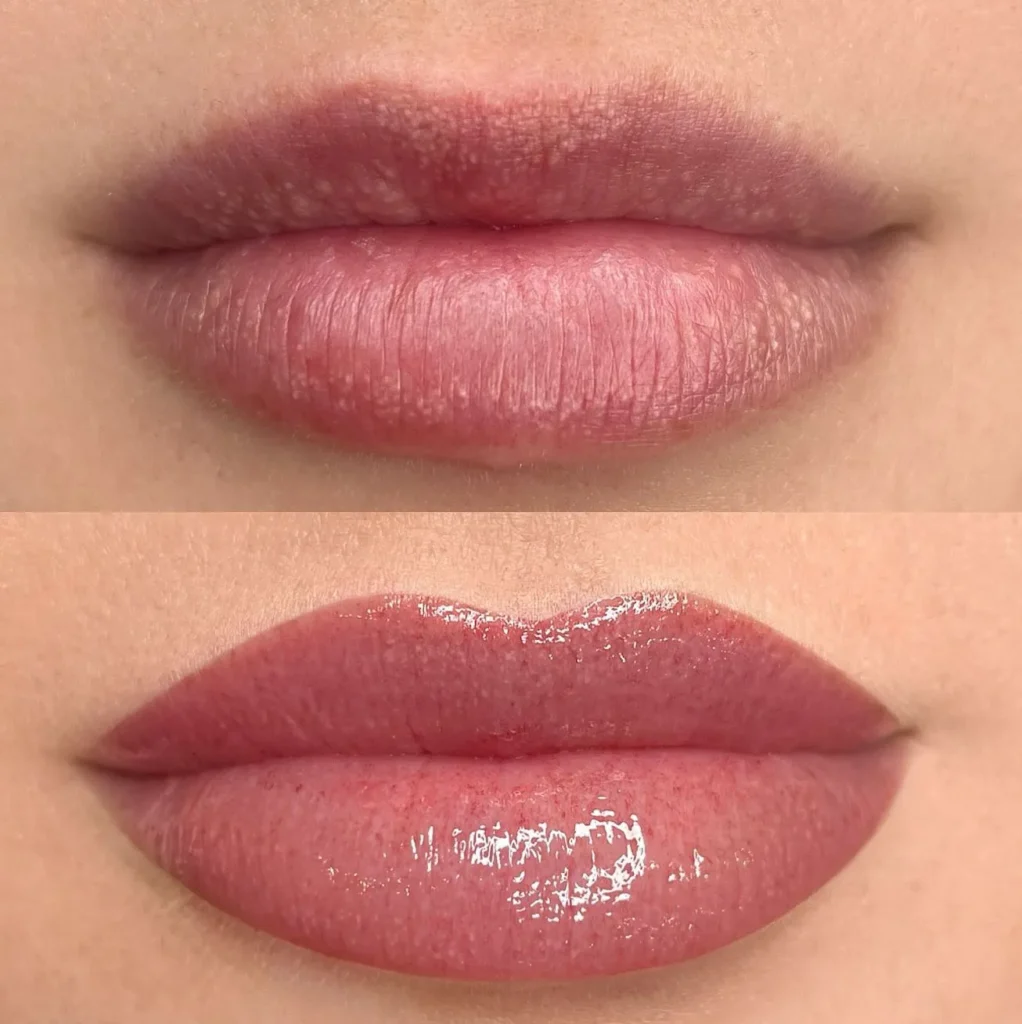
The healing period after a lip blush procedure is crucial for optimal pigment colour retention. Cold sores can impede this process by causing:
- Scabbing and irritation
- Uneven pigment absorption
- Loss of colour in certain areas
- Extended healing time
- Risk of infection and other complications
Cold sores can also cause dry skin and discomfort. They can interfere with the healing balm and care cream application and may require an extra touch up after some time has passed.
Quick Guide
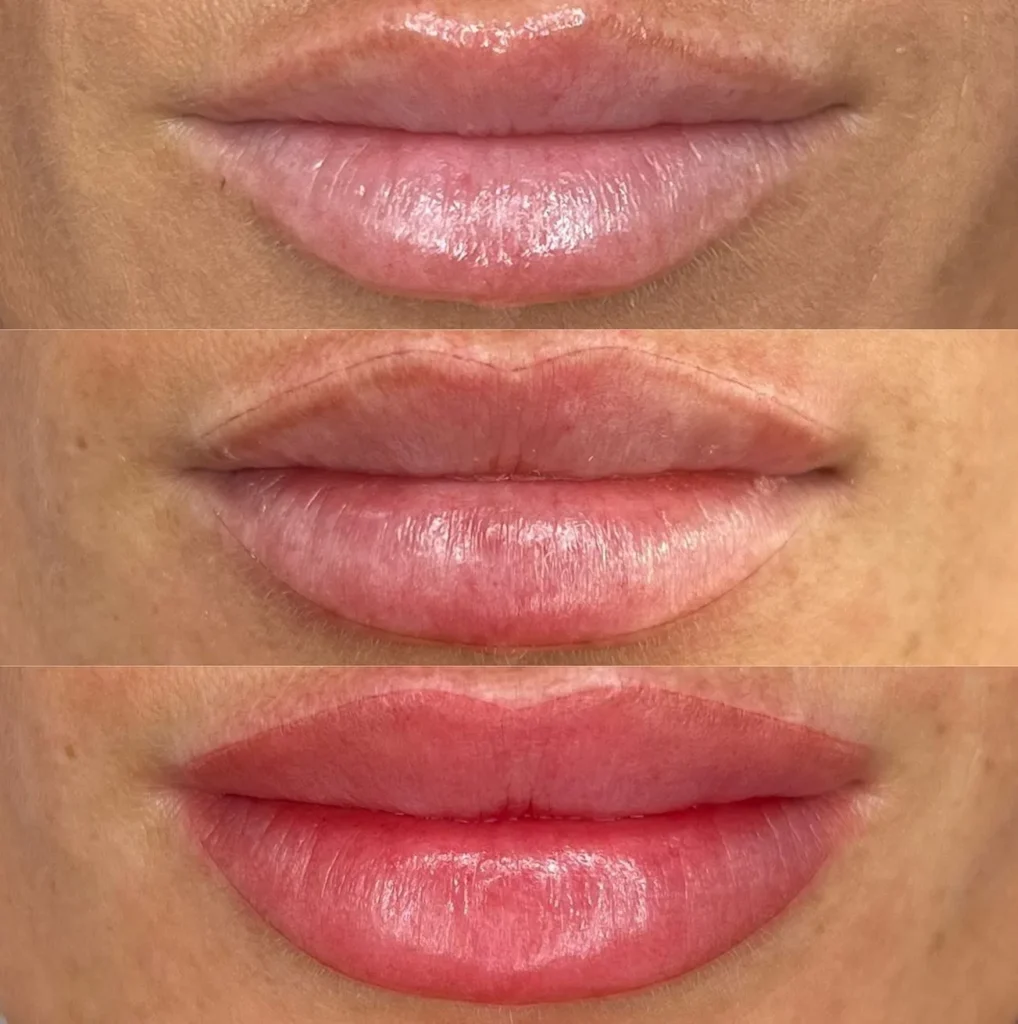
- Contact Your Artist Now
Let your cosmetic tattoo artist know about the outbreak asap. They can adjust your aftercare for you. - Use Sore Medication and Antiviral Medication
Acyclovir or valacyclovir can reduce the severity and duration of the outbreak. Take as prescribed by your doctor. Anti-viral cream may also prevent more sores from forming. - Follow Aftercare Instructions
Avoid spicy food, chemical peels, glycolic acid, salicylic acid, and cleansing creams. Keep your lips clean, use a thin layer of healing balm or lip balm and avoid regular lipstick and lip gloss during healing. Minimize sun exposure don’t drink alcohol and don’t touch your face or lips. - Don’t Pick or Scratch
Picking scabs or scratching the lip area can damage the tattoo and cause scarring, pigment loss or infection. - Use an Ice Pack and Stay Hydrated
Use anbice pack in short intervals to reduce inflammation. Drink plenty of water and wash your hands before touching your face or lips.
How to Prevent Cold Sores
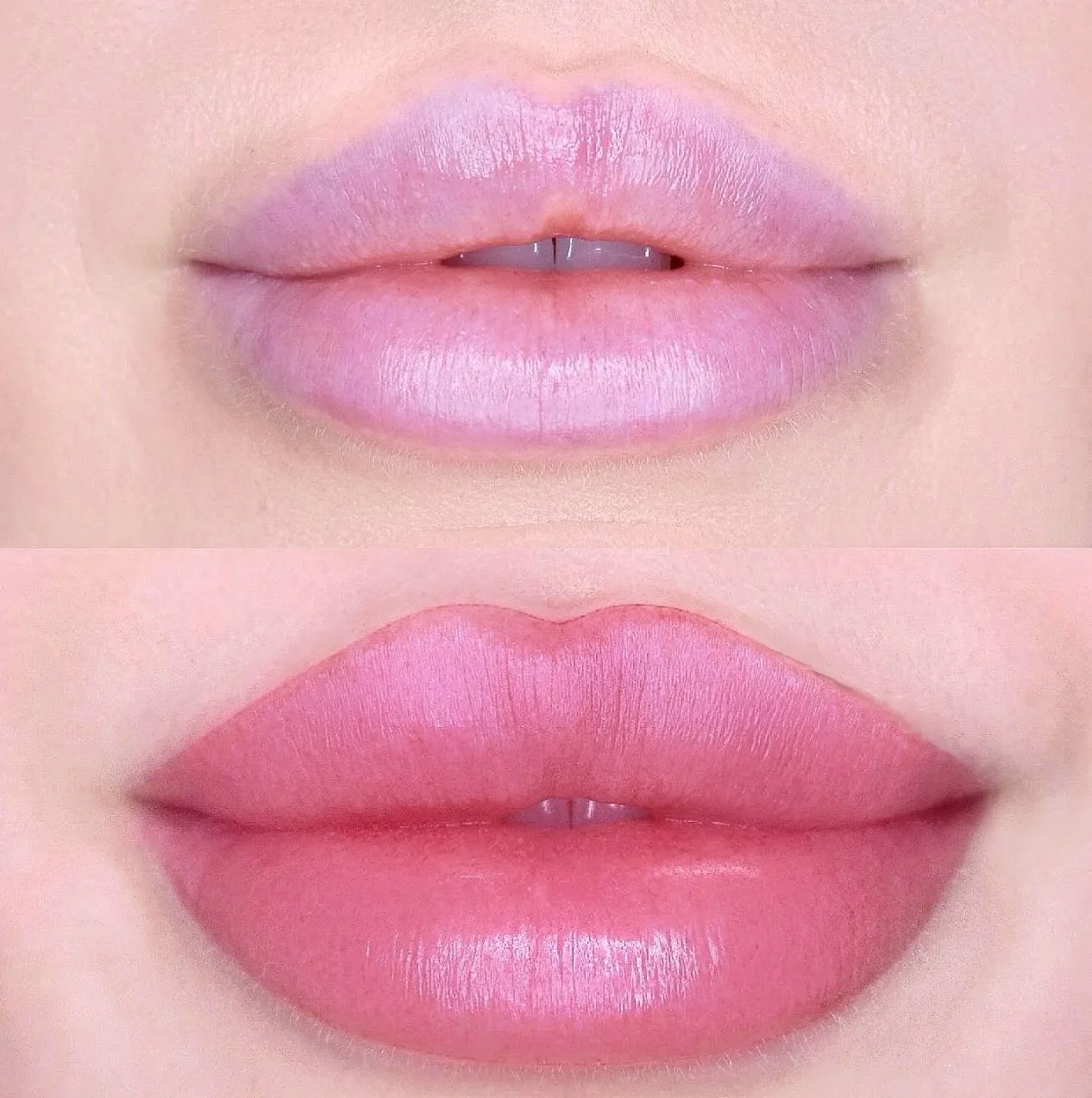
If you have a history of cold sores you must take precautions to minimize the chance of infection and outbreaks:
- Start antiviral medication 1-2 days before your tattoo appointment and continue for a few days after.
- Avoid acidic foods, too much caffeine and anxiety triggers before your tattoo session.
- Keep your skin hydrated and overall skin healthy by avoiding sun exposure and physical sunscreen.
During your initial visit be transparent about your health, including any active skin conditions, active skin cancer or ongoing medication. Your artist will assess your skin type, body chemistry and body weight to tailor the aftercare to your needs.
What to Expect

The healing period for lip blush is 7-10 days. Full color retention and settling of the pigment is 6-8 weeks. During this time you must follow all aftercare instructions including:
- Using care cream or healing balm consistently
- Keeping lips moisturized but not over-saturated
- Avoiding physical exfoliants, glycolic acid and salicylic acid
- Avoiding sun exposure and alcohol consumption* No chemical peels or facial treatments near the lip area
Lips may look dry, scabby or darker than the colour. This is normal. The colour will come back as the lips shed and heal.
Will It Work?
Cold sores can impede the healing process and initial pigment retention but don’t ruin the end result. Many clients still get a great colour with proper care. Additional sessions may be needed after enough time has passed.
Cosmetic tattoos are not one size fits all. Results vary depending on the client’s immune system, skin conditions, healing process and body chemistry. With professional guidance and proper aftercare lip blush is a safe and effective way to enhance lip colour and shape.
Long Term Care
Annual touch-ups are often recommended to maintain the desired lip colour and shape. These top up the pigment and compensate for fading due to sun, aging or skincare products. Avoid harsh products and good skincare around the lips will ensure the results last.
Don’t use conventional lipstick or lipstick during the healing period and use healing products approved by your tattoo artist. Be mindful of treatments that involve acids or exfoliation.
In Summary
Lip blush is a cosmetic lip tattoo that defines the lip line, restores natural colour and gives a fuller appearance. If you get cold sores or have never had a visible outbreak understanding the healing process and preparing in advance is key to getting long-lasting safe results.
With antiviral medication, good aftercare and support from an experienced tattoo artist you can navigate the lip blush healing journey with ease. Look after your lips and you’ll get vibrant colour and a comfortable experience throughout.
FAQ
Can I get lip blush if I’ve had cold sores in the past?
Yes, but tell your tattoo artist first. Pre-treatment with anti-viral medication and sore creams is recommended to prevent flair during the lip tattoo process.
What if a cold sore develops after my lip blush appointment?
Start taking sore medication or antiviral medication (if prescribed), tell your tattoo artist and follow aftercare instructions to the T, including applying a thin layer of healing balm.
How long should I wait to get a touch-up after a cold-sore outbreak?
Wait until the lips are fully healed – usually 4-6 weeks – before booking another touch-up. This allows the barrier layer to re-establish and ensures optimal pigment retention.
Can lip blush trigger cold sores even if I’ve never had one before?
Yes. Some people carry the herpes simplex virus without knowing. The actual tattoo process can trigger the first outbreak especially if the lips are dry or compromised.
Will cold sores affect how long the lip blush lasts?
They can affect the healing period and pigment retention but with proper care and an annual touch-up you can maintain the desired lip colour for a long time. Avoid sun exposure, use physical sunscreen and avoid cosmetic procedures like chemical peels during healing.

Related Posts
Which Great Barrier Reef Island Should You Visit First?
Is Alice Springs Safe at Night?